About Us
Pursuant to the former Prime Minister Mr.V.P.Singh's announcement of 27% reservation to OBCs in Central Government Services and Public Sector Undertakings, the All India Federation was formed.
The aim of the Federation is to protect and promote the interests of Other Backward Classes Employees working in Central Government and Public Sector Undertakings including Banks and Insurance Sectors.
Over the years, the Federation has transformed itself as the only national organization representing not only Central Government OBC employees but overall interests and welfare of OBC people of this country.
At present, the Federation has nearly 40 OBC associations representing Central Government and PSUs.
History
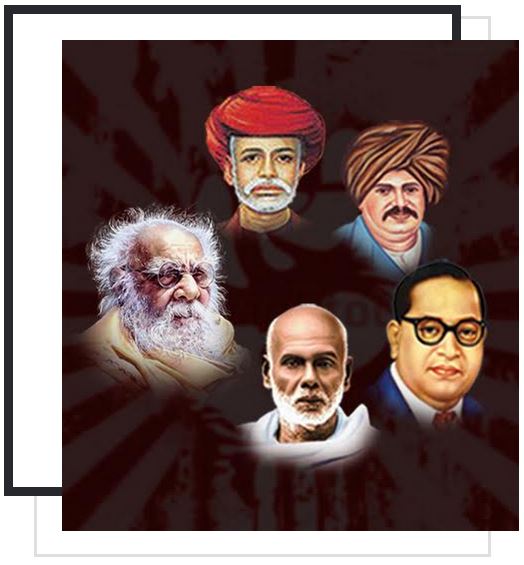
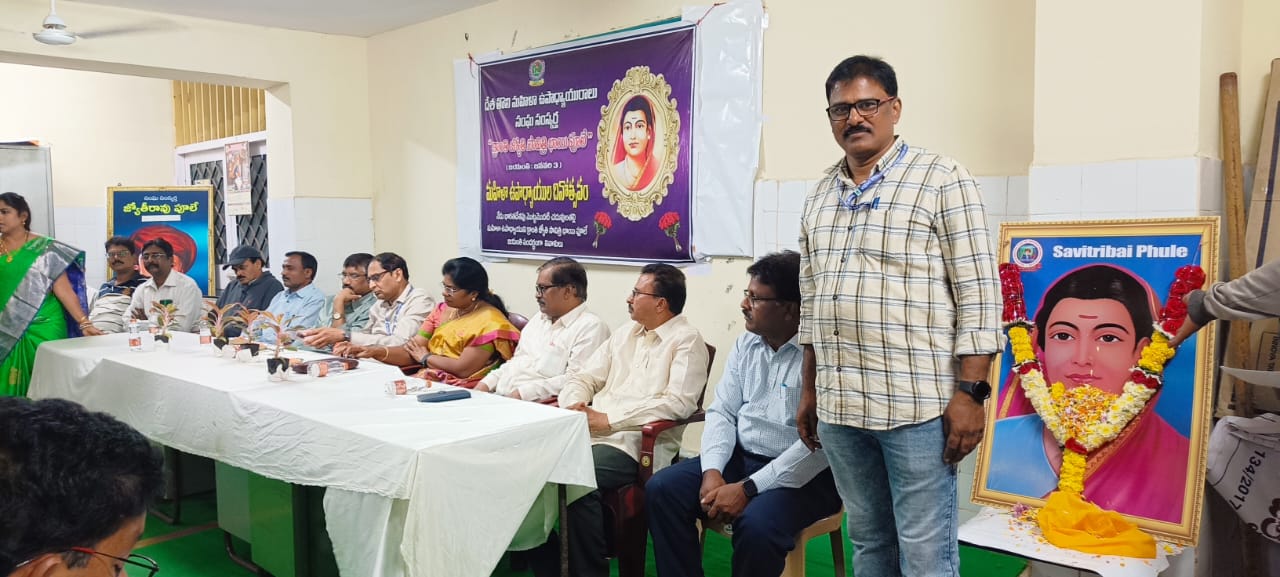
Mahatma Jyothi rao Phule: He was a true pioneer in Indian social reform, fighting tirelessly against the caste system, social inequality, and oppression. Born on April 11, 1827, in Maharashtra, Phule advocated for equal rights and opportunities for all, regardless of caste or social status. He believed in the power of education to bring about social change and established several schools, including the first school for girls in Pune. Phule was a strong advocate for women's rights and empowerment, working to improve women's education, healthcare, and social status, and challenging patriarchal norms and practices. He also founded the Satyashodhak Samaj (Truth-Seekers' Society) in 1873, which aimed to promote social reform, equality, and justice, and challenged Brahminical dominance.
His notable contributions:
Education for All: Phule established schools for girls and downtrodden people, and advocated for education as a tool for social change.
Women's Empowerment: He worked to improve women's education, healthcare, and social status, and challenged patriarchal norms and practices.
Social Reform: Phule fought against the caste system, social inequality, and oppression, and advocated for equal rights and opportunities for all.
Literary Contributions: He wrote several books and articles, including "Gulamgiri", which exposed the injustices faced by Dalit and depressed classes.
Phule's legacy continues to inspire social reform , activism in India, and also remembered as a champion of social justice, equality, and human rights. He was conferred the title of "Mahatma" (Great Soul) for his contributions to society, and the University of Pune was renamed Savitribai Phule Pune University in 2014, in honor of his wife. The Indian government has also released commemorative stamps and coins to honor his contributions.
1st Commission : Kaka Kalelkar Commission (1953): The first commission to identify backward classes and recommend measures for their upliftment.
2nd. Mandal Commission (1979): It recommended 27% reservation for OBCs in government jobs and educational institutions.
3rd. Mandal Commission II (1983): A follow-up commission to review the implementation of the Mandal Commission's recommendations.
4th. National Commission for Backward Classes (NCBC) (1993): A constitutional body established to investigate the conditions and difficulties of socially and educationally backward classes.
5th. NCBC Review Committee (2001): A committee set up to review the functioning of the NCBC and recommend measures to strengthen it.
6th. Justice Rohini Commission (2017): A commission established to review the sub-categorization of OBCs and recommend measures to ensure equitable distribution of benefits.
These commissions have played a crucial role in promoting the welfare and development of OBCs in India..
The National Commission for Backward Classes a constitutional body,was formed on August 14, 1993, and also as a statutory body under the Ministry of Social Justice and Empowerment. However, it gained constitutional status with the 102nd Amendment, which inserted Article 338B in the Indian Constitution.
The NCBC primary objective is to investigate the conditions and difficulties of socially and educationally backward classes, making recommendations to remove the difficulties they face.
The Commission is headquartered in Delhi and the members are appointed by the President by warrant under their hand and seal. It consists of five regulatory members.
Chairperson
Vice-Chairperson
Three other members with a tenure period of three years
NCBC plays a crucial role in promoting the welfare and development of socially and educationally backward classes in India. The NCBC has several key functions :
Investigating and monitoring matters related to safeguards for socially and educationally backward classes
Inquiring into specific complaints regarding deprivation of rights and safeguards.
Participating and advising on socio-economic development of backward classes.
Presenting reports to the President on the working of safeguards.
Making recommendations for effective implementation of safeguards and measures for protection, welfare, and development of backward classes.
Reservations for Other Backward Classes (OBCs) in India are a significant aspect of the country's affirmative action policies monitoring by National Commission for Backward Classes (NCBC). The OBC category is a collective term used by the Government of India to classify communities that are " Socially and Educationally Backward Classes" (SEBC). To avail of OBC reservations, individuals must belong to the Non-Creamy Layer, which is determined based on their parents' wealth income and constitutionally.
The benefits of OBC reservations are :
27% Reservation Quota in government jobs and educational institutions.
Relaxation in age limits for various examinations.
Relaxation in the number of attempts for exams.
Lower cut-off marks for clearing exams.
Eligible for OBC reservations, individuals must meet the following criteria:
Their caste or community must be listed in the Central List of OBCs.
They must belong to the Non-Creamy Layer, which is determined based on their parents' wealth income and occupation of constitutional appointments.
Their parents' or individual annual wealth income must be less than Rs. 8 lakhs only.
The National Commission for Backward Classes (NCBC) is the constitutionally formed commission,to be responsible for preparing OBC Non-Creamy Layer reservations policies according to mandal commission. The OBC certificate is valid for a certain period, typically one year ( financial year), and must be renewed OBC certificates to avail of reservations.
The OBC reservation policy has undergone several changes over the years, and there are ongoing debates about its implementation and effectiveness.
Committee Details

Liason Officer

President

Working President

General Secretary
Addn. General Secretary

Deputy General Secretary

Treasurer
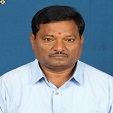
Vice President

Vice President
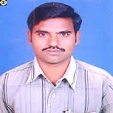
Vice President

Vice President

Vice President

Secretary
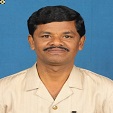
Secretary

Secretary

Secretary
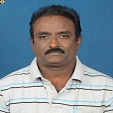
Joint Secretary

Joint Secretary
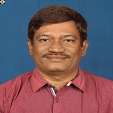
Joint Secretary

Joint Secretary
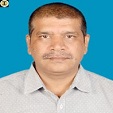
Joint Secretary

Organizing Secretary

Organizing Secretary
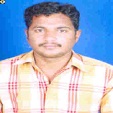
Organizing Secretary

Organizing Secretary
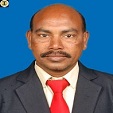
Organizing Secretary
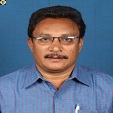
Organizing Secretary
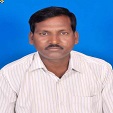
Organizing Secretary

Organizing Secretary
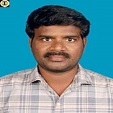
Organizing Secretary
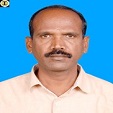
Organizing Secretary
Circulars & Formats
| S No | Details | Link |
|---|---|---|
| 1 | Application Format of OBC Member Details | Download |
Event Gallery
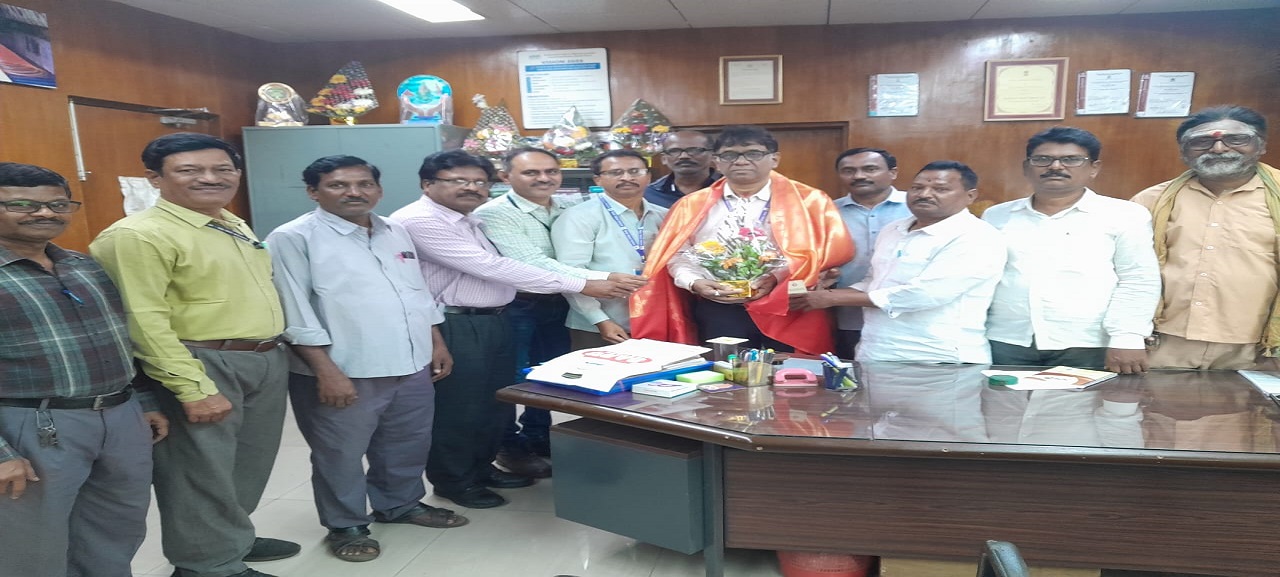
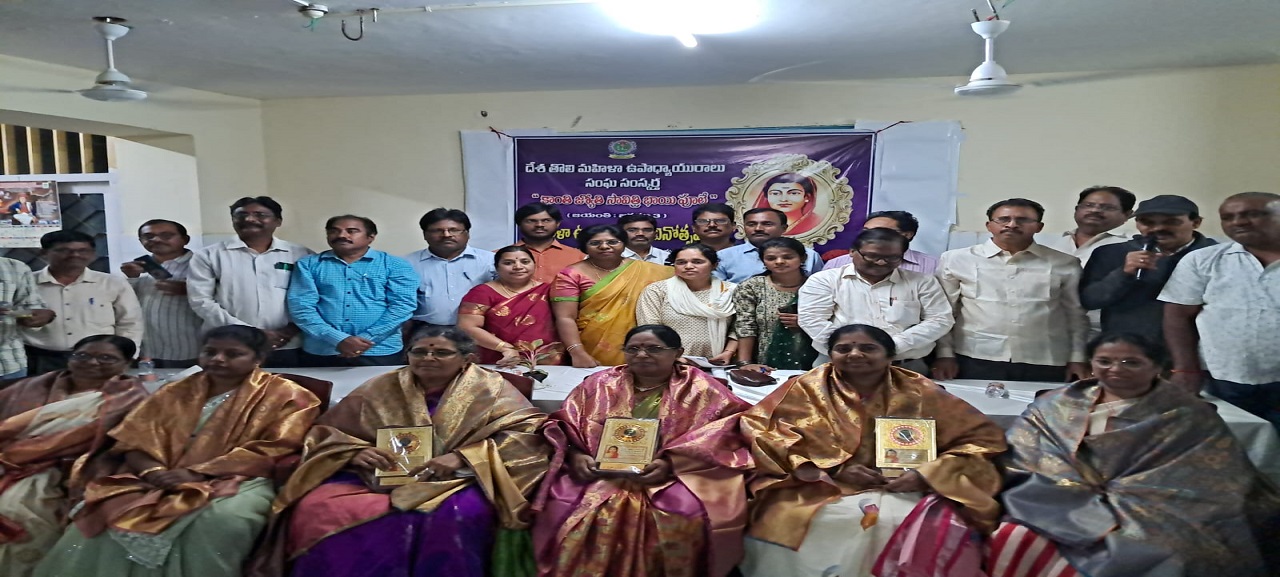
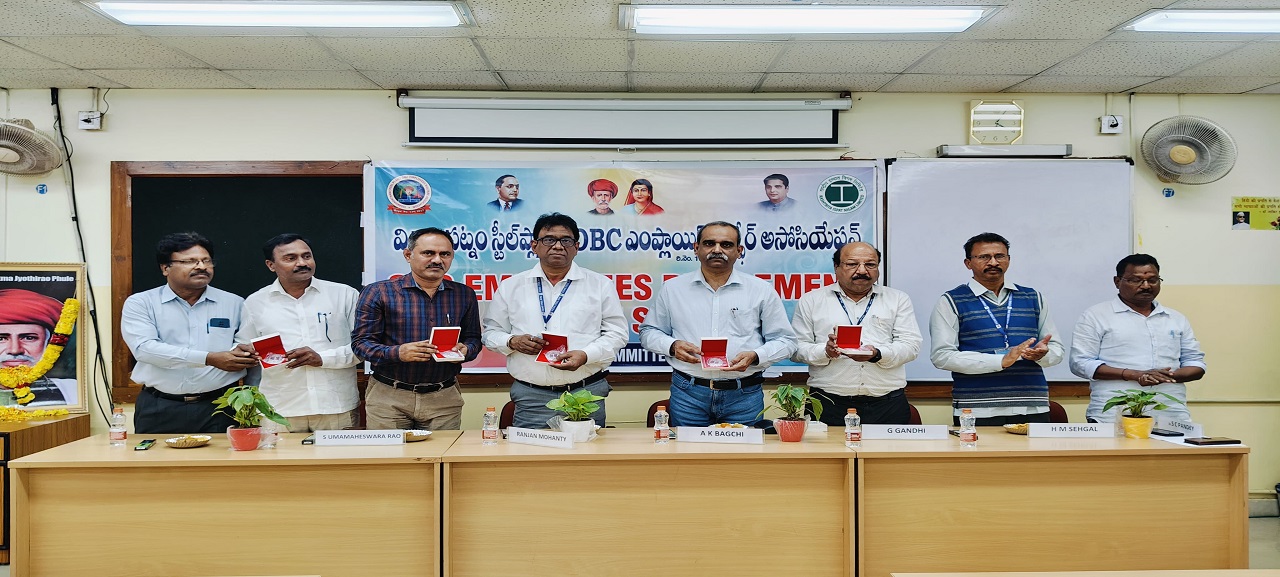
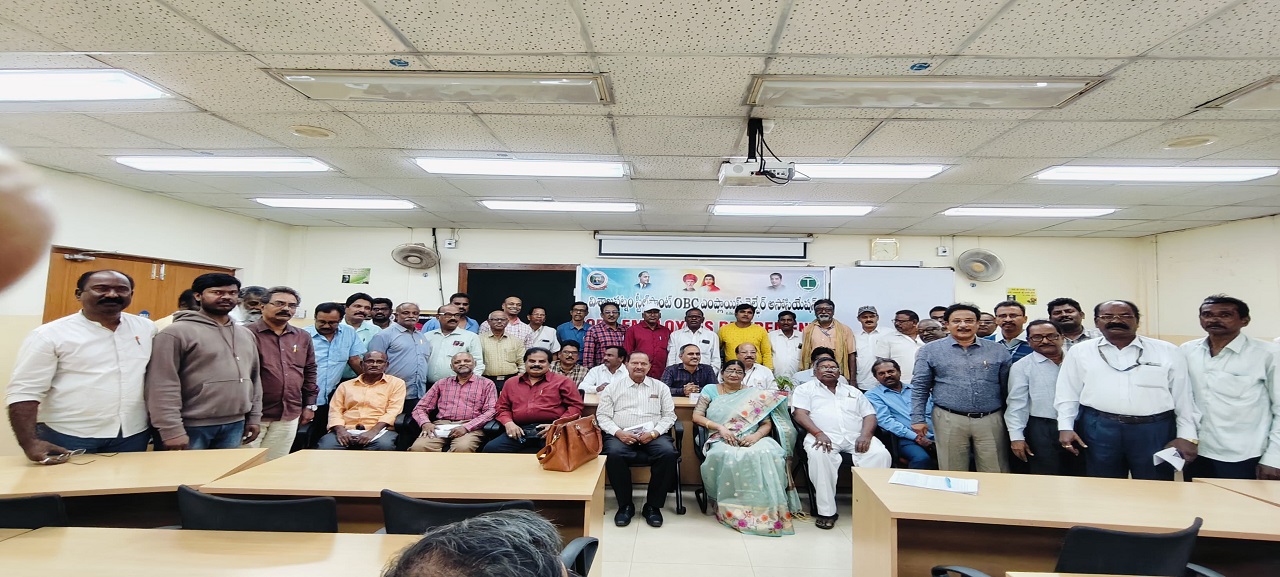
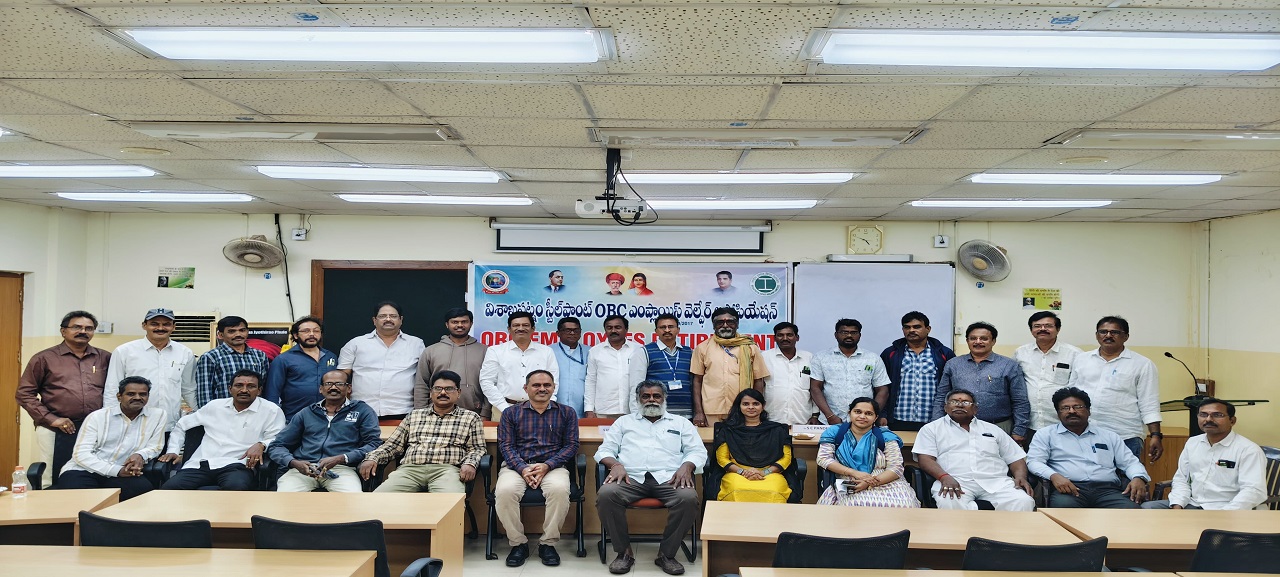
Snapshots of events organised by the VSP OBC Employee Welfare Association
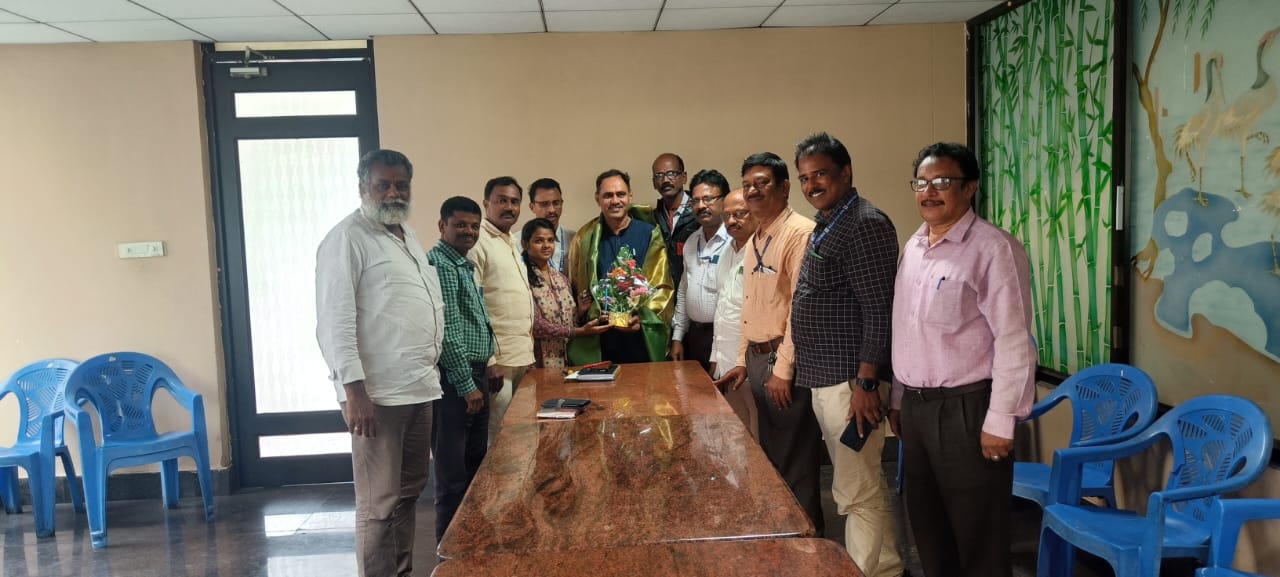
Welcoming the new L.O. of OBCEWA
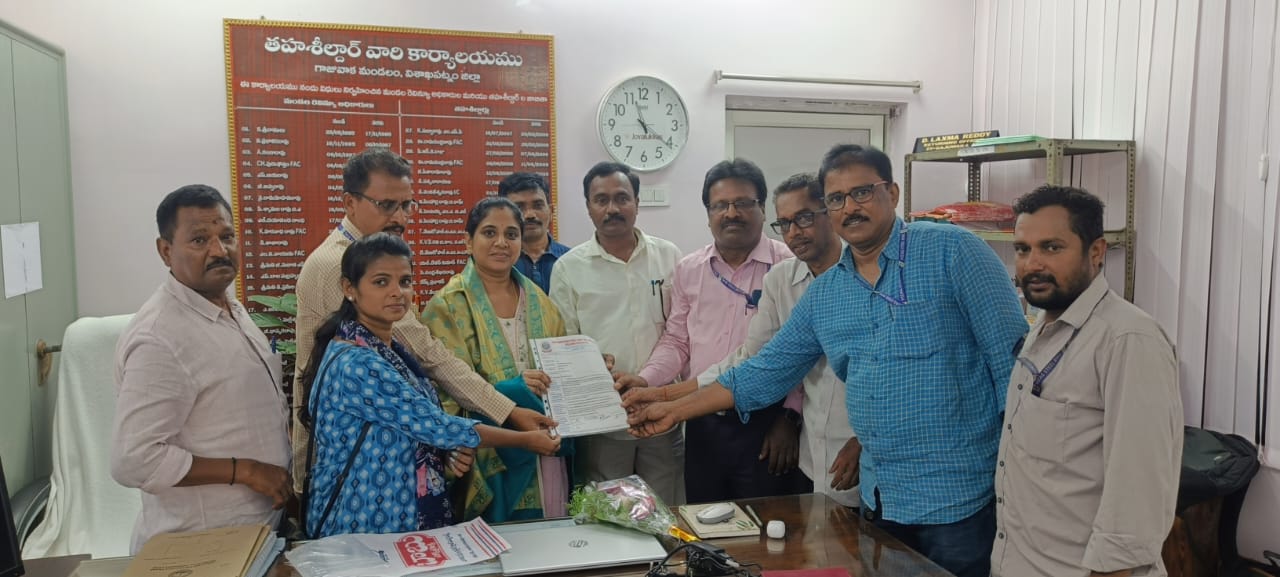
Request Letter to issue OBC Certificate to RINL OBC employees without delay for the sake of various entrance exams
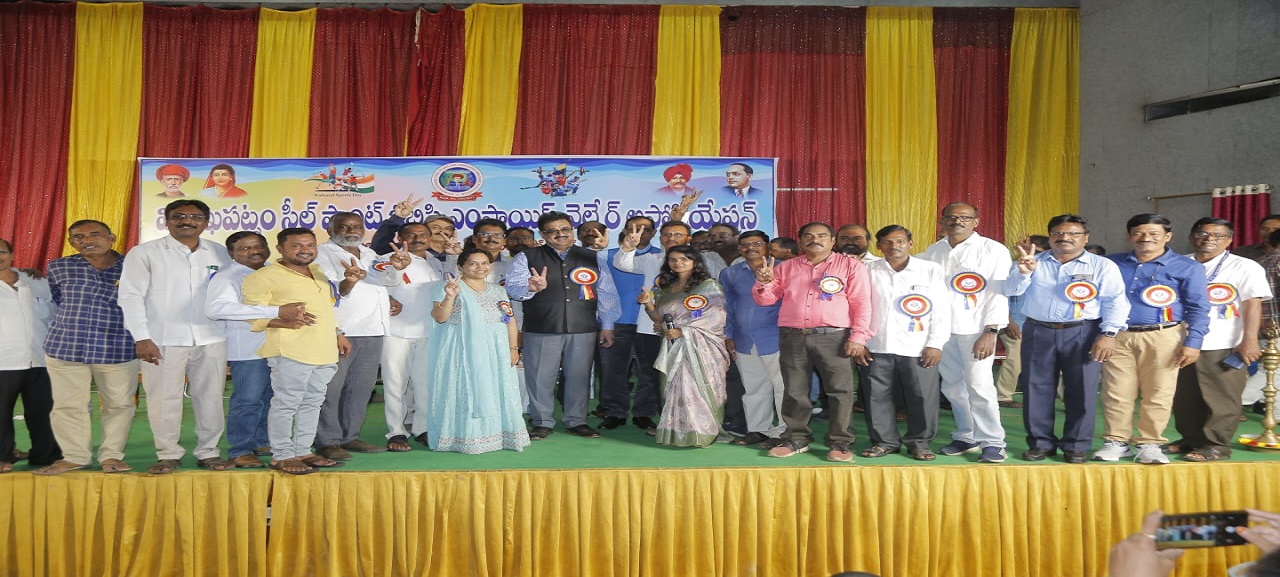
OBC Employees Sports Meet, 2023
Contact Us
Get in touch
Location:
Room No: 999, Main Administration Building, Visakhapatnam Steel Plant, Visakhapatnam 530031
Email:
obc.vizagsteel93@gmail.com
Call:
+91